Monthly Archives: May 2026

The Connection Between Dog Ownership and Improved Mental Health in Recovery

Recovery from addiction and mental health challenges is a process that requires structure, emotional support, and consistent care. While clinical treatment such as inpatient and outpatient programs, therapy, and holistic approaches provide a strong foundation, many individuals also find that dog ownership plays a meaningful role in improving mental health during recovery. The bond between humans and dogs offers emotional stability, daily structure, and genuine companionship that supports long-term healing.

At Mullsjobk, we understand that recovery is not just about treatment sessions or medical care. It is about rebuilding a life that feels stable, purposeful, and emotionally balanced. For many individuals, caring for a dog becomes a valuable part of that healing process.

Emotional Stability Through Daily Companionship

One of the most powerful benefits of dog ownership in recovery is emotional stability. Dogs provide consistent companionship that can help ease emotional distress and create a sense of calm during difficult moments.

Reducing stress and anxiety naturally

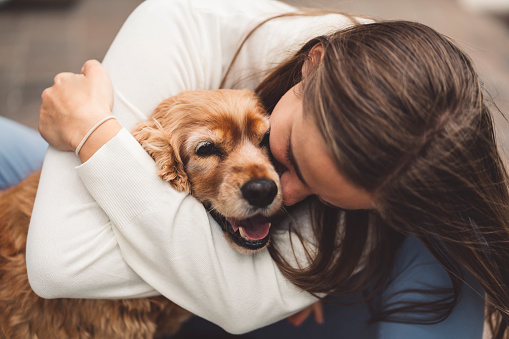
Interacting with a dog has been shown to reduce stress hormones and promote relaxation. Simple actions such as petting, walking, or sitting with a dog can help lower anxiety levels and create a grounding effect. For individuals in recovery, this can make emotional challenges feel more manageable.

Offering comfort during emotional uncertainty

Recovery is often filled with emotional highs and lows. A dog provides steady companionship that does not depend on external circumstances. This consistency helps individuals feel supported even during moments of emotional vulnerability.

How Dogs Support Mental Health in Recovery

Mental health plays a central role in addiction recovery. Dogs can support emotional well-being in ways that complement clinical care and therapeutic interventions.

Encouraging emotional regulation

Dogs live in the present moment. Their calm and responsive nature encourages individuals to slow down and focus on what is happening right now. This supports emotional regulation skills that are often developed in therapy.

Reducing feelings of loneliness and isolation

Isolation can be a major challenge during recovery. A dog provides daily companionship, helping reduce loneliness and encouraging emotional engagement. This sense of connection can improve overall mental well-being and reduce emotional distress.

Building Healthy Structure and Daily Routine

Structure is essential in recovery, especially during early stages. Dog ownership naturally creates routines that support stability and consistency.

Establishing predictable daily habits

Feeding schedules, walks, grooming, and playtime help create a structured daily rhythm. This consistency supports emotional balance and reduces the unpredictability that can sometimes trigger stress or relapse behaviors.

Supporting responsibility and accountability

Caring for a dog requires daily responsibility. These tasks help individuals rebuild accountability in a supportive way, reinforcing self-discipline and a sense of purpose over time.

Physical Activity and Mental Health Benefits

Mental health is closely connected to physical well-being. Dogs naturally encourage movement, which contributes to improved emotional health.

Encouraging regular exercise

Daily walks and outdoor activity help increase physical movement, which releases endorphins and improves mood. Exercise is widely recognized as an important factor in managing anxiety and depression.

Supporting better sleep and emotional balance

Physical activity combined with emotional companionship can improve sleep quality. Better rest supports cognitive function, emotional stability, and overall mental health during recovery.

Social Connection and Confidence Building

Recovery often involves rebuilding social confidence and learning to engage with others again. Dogs can help make this process easier and more natural.

Creating opportunities for social interaction

Walking a dog or spending time in public spaces often leads to casual conversations and interactions. These small social moments can help rebuild confidence and reduce social anxiety over time.

Reducing isolation through everyday connection

Dogs naturally encourage individuals to step outside and engage with their surroundings. This helps reduce isolation and supports a greater sense of belonging.

Integrating Holistic Care at Mullsjobk

At Mullsjobk, we believe that recovery is most effective when it supports the whole person. Our addiction recovery and mental health treatment programs include inpatient and outpatient care designed to meet each individual’s unique needs through a compassionate and holistic approach.

We understand that healing happens not only in clinical settings but also in daily life. Support systems, routines, and meaningful connections all contribute to long-term wellness and stability.

Conclusion: A Companion That Supports Mental Health Recovery

Dog ownership can play a meaningful role in improving mental health during recovery. From reducing stress and loneliness to encouraging routine, physical activity, and emotional balance, dogs provide consistent support that complements professional treatment.

If you or someone you love is navigating addiction recovery or mental health challenges, support is available. At Mullsjobk, our compassionate team is here to provide personalized care that supports lasting healing. Reach out today to take the next step toward stability, wellness, and recovery.

How Caring for a Dog Supports Emotional Healing During Addiction Recovery

Recovery from addiction is more than stopping substance use. It is a process of rebuilding emotional stability, restoring trust in oneself, and learning how to navigate life with healthier coping skills. Alongside professional treatment such as inpatient and outpatient care, therapy, and holistic support, many individuals find that caring for a dog offers meaningful emotional benefits that support long-term healing.

At Mullsjobk, where compassionate and individualized care guides every treatment plan, we recognize that recovery is deeply personal. Emotional healing often grows through connection, responsibility, and consistency. Caring for a dog naturally strengthens all three, making it a powerful companion in the recovery journey.

Emotional Stability Through Daily Connection

One of the most significant benefits of caring for a dog during recovery is the emotional stability it provides. Dogs offer consistent companionship that helps reduce emotional distress and create a sense of calm during difficult moments.

A steady source of comfort during emotional ups and downs

Recovery is not a straight path. There are moments of progress and moments of challenge. Dogs provide a steady presence that does not change based on mood or circumstance. This reliability can help individuals feel more emotionally grounded when they are struggling.

Reducing stress through simple interaction

Daily interaction with a dog, such as petting, feeding, or sitting together, can help reduce stress levels. These simple moments encourage relaxation and support emotional regulation, which is essential during addiction recovery.

Reducing Isolation and Strengthening Emotional Connection

Isolation is a common challenge for individuals recovering from addiction. Even with strong clinical support, feelings of loneliness can still arise. Caring for a dog helps reduce this emotional gap.

Creating a sense of companionship and purpose

A dog provides constant companionship, helping individuals feel less alone during their recovery journey. This connection can reduce feelings of emptiness and support emotional engagement in daily life.

Building trust through consistent care

Trust is often something that needs to be rebuilt during recovery. Caring for a dog encourages consistent responsibility, which helps individuals rebuild trust in themselves through daily actions and follow through.

Supporting Healthy Structure and Daily Routine

Structure plays an important role in addiction recovery. Dogs naturally help create predictable routines that support emotional stability and personal accountability.

Establishing meaningful daily habits

Feeding schedules, walks, grooming, and playtime create a consistent rhythm in daily life. This structure helps reduce chaos and supports a sense of control, which is often needed during recovery.

Encouraging responsibility in a supportive way

Caring for a dog introduces responsibility in a gentle and meaningful way. Each completed task reinforces a sense of accomplishment and helps rebuild self-worth over time.

Encouraging Emotional Awareness and Mindfulness

Emotional healing requires awareness and the ability to stay present. Dogs naturally encourage both.

Staying present in the moment

Dogs live in the present and respond to immediate experiences. Being around a dog can help individuals slow down their thoughts and focus on the here and now, which supports mindfulness practices often used in recovery treatment.

Strengthening emotional recognition skills

Caring for a dog requires attention to behavior and needs. This helps individuals become more aware of emotional cues, both in themselves and in others, strengthening emotional intelligence over time.

Physical Activity and Its Impact on Emotional Healing

Emotional health and physical health are closely connected. Caring for a dog naturally encourages movement, which supports both.

Daily walks that support mood regulation

Walking a dog promotes regular physical activity, which helps release endorphins and improve mood. This can reduce symptoms of anxiety and depression, which are often part of recovery challenges.

Improving sleep and emotional balance

Physical activity combined with emotional comfort can support better sleep patterns. Improved rest plays a key role in emotional stability and overall recovery progress.

Integrating Holistic Care at Mullsjobk

At Mullsjobk, we understand that addiction recovery requires a holistic approach that addresses mental, emotional, and physical well-being. Our inpatient and outpatient programs are designed to support each individual’s unique needs through compassionate and structured care.

While clinical treatment provides the foundation for recovery, emotional healing often happens through daily experiences, supportive relationships, and meaningful routines. For many individuals, caring for a dog becomes one of those supportive elements that enhances overall well-being.

Conclusion: Healing Through Connection and Care

Caring for a dog can play a meaningful role in emotional healing during addiction recovery. It provides companionship, reduces stress, encourages structure, and strengthens emotional awareness. These benefits work together to support long-term stability and personal growth.

If you or someone you love is navigating addiction recovery, you do not have to do it alone. At Mullsjobk, our compassionate team is here to provide personalized, holistic care that supports every stage of the healing journey. Reach out today to take the next step toward lasting recovery and emotional wellness.

Why Owning a Dog Can Strengthen Your Mind, Body, and Recovery Journey

Recovery from addiction and mental health challenges is a deeply personal process that requires more than clinical care alone. It involves rebuilding emotional stability, restoring physical health, and developing daily habits that support long-term wellness. While inpatient and outpatient treatment, therapy, and holistic approaches remain essential, many individuals find that owning a dog provides powerful additional support that strengthens both recovery and overall quality of life.

At Mullsjobk, where compassionate, individualized, and holistic care guides every treatment plan, we understand that healing happens in many forms. For some individuals, the presence of a dog becomes a meaningful source of structure, emotional support, and motivation throughout their recovery journey.

Emotional Benefits of Dog Ownership in Recovery

One of the most immediate ways dogs support recovery is through emotional stability. Dogs provide consistent companionship, which can be especially important during times of emotional vulnerability.

Reducing stress and emotional overwhelm

Interacting with a dog has been shown to help reduce stress levels and promote relaxation. Physical touch, such as petting a dog, can lower cortisol and increase oxytocin, helping individuals feel calmer and more grounded during difficult moments in recovery.

Providing comfort during emotional highs and lows

Recovery is not a linear process. There are moments of progress and moments of struggle. Dogs offer steady emotional presence through both, helping individuals feel supported even when emotions feel unpredictable or overwhelming.

How Dogs Support Mental Health During Recovery

Mental health plays a central role in addiction recovery. Dogs can help support emotional regulation and improve overall mental well-being in several meaningful ways.

Encouraging emotional awareness and grounding

Dogs live in the present moment, and their behavior naturally encourages mindfulness. This can help individuals focus on the present instead of becoming overwhelmed by past regrets or future worries.

Reducing feelings of loneliness and isolation

Isolation can be a major challenge during recovery. A dog provides consistent companionship, helping reduce loneliness and creating a sense of connection that supports emotional healing.

Physical Health Benefits of Owning a Dog

Recovery is also supported by improvements in physical health. Owning a dog naturally encourages more movement and outdoor activity, which benefits both the body and mind.

Promoting daily physical activity

Dogs require regular walks and exercise, which encourages owners to stay active. This consistent movement helps improve cardiovascular health, increase energy levels, and support overall physical well-being.

Supporting better sleep and energy balance

Physical activity combined with emotional comfort can improve sleep quality and help regulate daily energy levels. Better sleep contributes directly to improved mood and cognitive function, both of which are important in recovery.

Building Structure and Responsibility in Daily Life

One of the most important aspects of recovery is rebuilding routine and accountability. Dogs naturally help create structure in daily life.

Creating consistent daily habits

Feeding schedules, walks, grooming, and general care create a predictable routine. This structure helps individuals stay focused and reduces the unpredictability that can sometimes trigger stress or relapse behaviors.

Strengthening personal responsibility

Caring for a dog reinforces accountability in a positive and supportive way. Each task completed helps rebuild confidence and strengthens a sense of purpose and accomplishment.

Social Connection and Confidence Building

Recovery often involves rebuilding social confidence and reconnecting with others. Dogs can play a helpful role in this process.

Encouraging natural social interaction

Walking a dog or spending time in public spaces often leads to casual conversations and social engagement. These small interactions can help rebuild confidence in social situations over time.

Reducing social anxiety

Having a dog present can make social environments feel less intimidating. This can support gradual reintegration into community life, which is an important part of long-term recovery.

Integrating Holistic Support at Mullsjobk

At Mullsjobk, we believe recovery is most effective when it addresses the whole person, including mind, body, and spirit. Our addiction recovery and mental health treatment programs offer inpatient and outpatient care tailored to individual needs through a holistic and faith-based approach.

We recognize that healing is deeply personal. While clinical care provides structure and guidance, everyday sources of comfort and stability also play an important role in long-term wellness and emotional recovery.

Conclusion: A Companion That Supports Every Step of Recovery

Owning a dog can strengthen recovery by supporting emotional balance, encouraging physical activity, building routine, and reducing isolation. These combined benefits help individuals rebuild both confidence and stability as they move forward in their healing journey.

If you or someone you love is seeking support, Mullsjobk is here to help. Our compassionate team provides personalized, holistic care designed to support lasting recovery and meaningful life change. Reach out today to take the next step toward healing, stability, and renewed well-being.